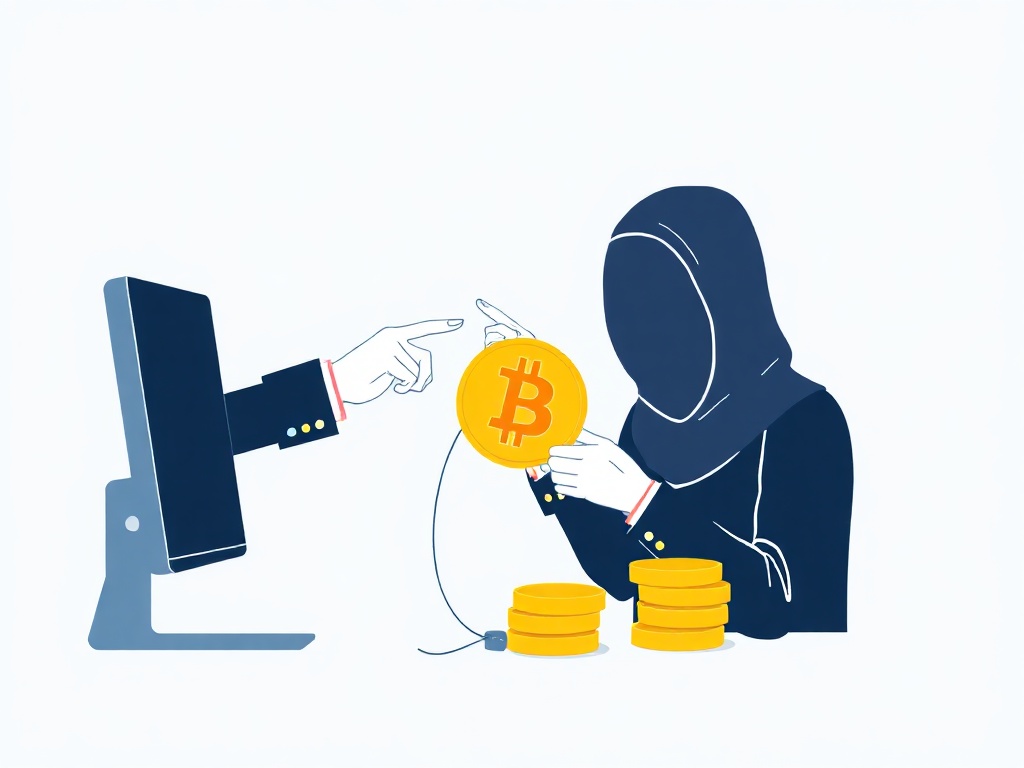

Understanding Hidden Crypto Transactions: Privacy Tools and Techniques in the BTCmixer Ecosystem

Understanding Hidden Crypto Transactions: Privacy Tools and Techniques in the BTCmixer Ecosystem
In the rapidly evolving world of cryptocurrency, hidden crypto transactions have become a focal point for users seeking enhanced privacy and anonymity. As Bitcoin and other digital assets gain mainstream adoption, the demand for tools that obscure transaction trails has surged. Among these tools, BTCmixer has emerged as a prominent solution, offering users a way to obfuscate their financial activities on the blockchain. This comprehensive guide explores the concept of hidden crypto transactions, their importance, the role of mixers like BTCmixer, and the broader implications for privacy in the digital age.
The Rise of Privacy in Cryptocurrency: Why Hidden Crypto Transactions Matter
Cryptocurrency transactions are inherently transparent due to the public nature of blockchain ledgers. While this transparency fosters trust and accountability, it also raises significant privacy concerns. Every Bitcoin transaction is recorded on the blockchain, making it possible for anyone to trace the flow of funds from one address to another. This lack of privacy can expose users to risks such as:
- Financial surveillance: Governments, corporations, and malicious actors can monitor transaction histories to profile individuals.
- Targeted attacks: High-net-worth individuals or businesses may become targets for extortion or theft based on their transaction patterns.
- Reputation damage: Publicly visible transactions can reveal personal spending habits, affiliations, or investments.
To address these concerns, hidden crypto transactions have become essential. These transactions leverage various techniques to break the link between sender and receiver addresses, effectively anonymizing the flow of funds. Tools like BTCmixer play a crucial role in this process by introducing randomness and complexity into transaction trails.
The Role of Bitcoin Mixers in Achieving Anonymity
Bitcoin mixers, also known as tumblers, are services designed to obscure the origin and destination of cryptocurrency funds. They achieve this by pooling together multiple users' transactions and redistributing the funds in a way that severs the connection between input and output addresses. BTCmixer is one such service that has gained popularity for its user-friendly interface and robust privacy features.
The primary function of a Bitcoin mixer is to:
- Break transaction trails: By mixing funds from multiple users, the service ensures that the origin of any single transaction cannot be easily traced.
- Introduce randomness: Mixers use algorithms to shuffle and redistribute funds, making it difficult to link specific inputs to outputs.
- Provide additional layers of obfuscation: Some mixers, including BTCmixer, offer features like delayed payouts or custom fee structures to further enhance privacy.
While Bitcoin mixers are not a perfect solution—they do not guarantee complete anonymity—they significantly reduce the risk of financial surveillance and tracking. For users who prioritize privacy, hidden crypto transactions facilitated by mixers like BTCmixer offer a practical and accessible way to protect their financial activities.
How BTCmixer Works: A Step-by-Step Breakdown of Hidden Crypto Transactions
BTCmixer operates on a straightforward yet effective principle: it combines funds from multiple users and redistributes them in a way that obscures their origin. Below is a detailed breakdown of how the service facilitates hidden crypto transactions.
Step 1: Depositing Funds into the Mixer
To begin using BTCmixer, users must first deposit their Bitcoin into the mixer's designated address. This step is critical because it separates the user's original funds from their spending history. The mixer's address acts as a neutral intermediary, ensuring that the deposited funds are no longer directly linked to the user's personal wallet.
Key considerations during this step include:
- Transaction fees: Users should be aware of the fees associated with using the mixer, as these can vary depending on the service's pricing structure.
- Minimum deposit requirements: Some mixers impose minimum deposit thresholds to ensure efficient mixing and redistribution of funds.
- Address generation: Users may be required to generate a new Bitcoin address for receiving the mixed funds, further enhancing privacy.
Step 2: Pooling and Shuffling Funds
Once funds are deposited, BTCmixer pools them together with those of other users. This pooling process is the core mechanism behind hidden crypto transactions. By combining funds from multiple sources, the mixer creates a complex web of transactions that makes it nearly impossible to trace individual deposits back to their original owners.
The shuffling process involves:
- Random redistribution: The mixer uses algorithms to redistribute funds to new addresses, ensuring that no two transactions follow the same path.
- Time delays: Some mixers introduce delays between the deposit and payout phases to further obscure transaction timelines.
- Custom mixing strategies: Advanced mixers like BTCmixer may offer options to customize mixing parameters, such as the number of hops or the level of obfuscation.
This step is where the magic of hidden crypto transactions happens. By breaking the direct link between input and output addresses, the mixer effectively anonymizes the user's funds.
Step 3: Withdrawing Mixed Funds
After the mixing process is complete, users can withdraw their funds to a new Bitcoin address. This address should ideally be a fresh wallet that has never been associated with the user's previous transactions. The withdrawal process ensures that the funds are now part of a new transaction trail, free from the scrutiny of blockchain analysis tools.
Best practices for withdrawing mixed funds include:
- Using a new wallet: Avoid reusing old addresses to prevent linking the mixed funds to previous transactions.
- Splitting withdrawals: Some users choose to split their withdrawals into smaller amounts to further obscure their transaction history.
- Monitoring transaction confirmations: Ensure that the mixed funds have been successfully transferred to the new address before considering the process complete.
By following these steps, users can achieve a high degree of privacy when conducting hidden crypto transactions with BTCmixer.
Evaluating the Effectiveness of BTCmixer for Hidden Crypto Transactions
While BTCmixer and other Bitcoin mixers offer significant privacy benefits, it is essential to evaluate their effectiveness critically. Not all mixers are created equal, and users must consider several factors when choosing a service for hidden crypto transactions.
Privacy and Anonymity: How Well Does BTCmixer Perform?
The primary goal of using a Bitcoin mixer is to achieve anonymity. However, the effectiveness of BTCmixer in this regard depends on several factors:
- Pool size: Larger pools of mixed funds make it more difficult for blockchain analysts to trace individual transactions. BTCmixer benefits from a substantial user base, enhancing its privacy capabilities.
- Mixing algorithms: Advanced algorithms, such as those used by BTCmixer, introduce randomness and complexity into transaction trails, making analysis more challenging.
- No logs policy: Reputable mixers like BTCmixer adhere to strict no-logs policies, ensuring that user data is not stored or shared with third parties.
Despite these advantages, it is important to note that hidden crypto transactions are not foolproof. Determined adversaries with access to advanced blockchain analysis tools may still attempt to trace mixed funds. However, for most users, BTCmixer provides a robust and accessible solution for enhancing privacy.
Security Considerations: Protecting Your Funds During the Mixing Process
Security is a critical concern when using Bitcoin mixers, as users entrust their funds to a third-party service. BTCmixer addresses these concerns through several security measures:
- HTTPS encryption: The service uses secure HTTPS connections to protect user data and transactions from interception.
- Multi-signature wallets: Some mixers, including BTCmixer, employ multi-signature wallets to ensure that funds are only released upon meeting specific conditions, reducing the risk of theft.
- Regular audits: Reputable mixers undergo regular security audits to identify and address potential vulnerabilities.
However, users should also take precautions to protect their funds:
- Verify the mixer's reputation: Research user reviews and community feedback to ensure the mixer is trustworthy.
- Use small test transactions: Before mixing large amounts, users can test the service with a small transaction to verify its reliability.
- Avoid centralized mixers: While BTCmixer is a centralized service, users concerned about single points of failure may explore decentralized alternatives like CoinJoin.
By prioritizing security, users can confidently engage in hidden crypto transactions without compromising their funds.
Comparing BTCmixer to Alternative Privacy Solutions
While BTCmixer is a popular choice for hidden crypto transactions, it is not the only option available. Users may consider alternative privacy solutions, each with its own strengths and weaknesses:
| Solution | Pros | Cons |
|---|---|---|
| BTCmixer | User-friendly, large pool size, no logs policy | Centralized, potential regulatory risks |
| CoinJoin | Decentralized, open-source, strong privacy guarantees | Requires technical knowledge, smaller user base |
| Wasabi Wallet | Integrated CoinJoin, user-friendly interface | Limited to Bitcoin, requires wallet setup |
| Samourai Wallet | Advanced privacy features, no server required | Complex for beginners, limited to Bitcoin |
Each of these solutions offers unique advantages, and the best choice depends on the user's specific needs and preferences. For those seeking a straightforward and accessible option, BTCmixer remains a compelling choice for hidden crypto transactions.
Legal and Ethical Considerations of Hidden Crypto Transactions
The use of Bitcoin mixers and other tools for hidden crypto transactions raises important legal and ethical questions. While privacy is a fundamental right, the anonymity provided by mixers can also be exploited for illicit purposes. This section explores the legal landscape and ethical implications of using services like BTCmixer.
Regulatory Challenges and Compliance Risks
Governments and regulatory bodies worldwide are increasingly scrutinizing cryptocurrency transactions, particularly those involving privacy-enhancing tools. The use of Bitcoin mixers has drawn attention from authorities concerned about money laundering, tax evasion, and other financial crimes. Some key regulatory challenges include:
- Anti-Money Laundering (AML) laws: Many jurisdictions require financial institutions to implement AML measures, which can extend to cryptocurrency services like mixers.
- Know Your Customer (KYC) requirements: Some mixers may be pressured to implement KYC procedures, compromising user anonymity.
- Sanctions compliance: Mixers must ensure they are not facilitating transactions for individuals or entities on sanctions lists.
For users of BTCmixer, these regulatory challenges highlight the importance of using the service responsibly and in compliance with local laws. While hidden crypto transactions are legal in many jurisdictions, users should be aware of the potential legal risks and exercise caution.
Ethical Use of Bitcoin Mixers: Balancing Privacy and Responsibility
Beyond legal considerations, the ethical use of Bitcoin mixers is a topic of ongoing debate. Privacy advocates argue that tools like BTCmixer are essential for protecting individuals from surveillance and financial censorship. However, critics contend that such tools can enable illicit activities, including:
- Illicit trade: Mixers can be used to obscure payments for illegal goods or services.
- Ransomware payments: Cybercriminals may use mixers to launder ransomware proceeds.
- Tax evasion: Individuals may attempt to hide income or assets using hidden crypto transactions.
To address these concerns, users of BTCmixer should adhere to ethical guidelines, such as:
- Using mixers for legitimate purposes: Avoid engaging in or facilitating illegal activities.
- Transparency where possible: In jurisdictions where privacy is not a legal concern, users may choose to disclose their use of mixers for transparency.
- Supporting regulatory compliance: Advocate for clear and fair regulations that protect user privacy while preventing abuse.
By striking a balance between privacy and responsibility, users can leverage tools like BTCmixer for hidden crypto transactions in an ethical and lawful manner.
The Future of Hidden Crypto Transactions: Trends and Predictions
As cryptocurrency adoption continues to grow, the demand for privacy-enhancing tools like Bitcoin mixers is expected to rise. Several trends and developments may shape the future of hidden crypto transactions:
- Decentralized mixers: Projects like Wasabi Wallet and Samourai Wallet are pioneering decentralized mixing solutions, reducing reliance on centralized services like BTCmixer.
- Regulatory clarity: Governments may introduce clearer guidelines for cryptocurrency privacy tools, balancing user rights with regulatory needs.
- Improved blockchain analysis: Advances in blockchain analysis tools may pose challenges for mixers, necessitating continuous innovation in privacy techniques.
- Integration with DeFi: Privacy solutions may become more integrated with decentralized finance (DeFi) platforms, offering users seamless access to hidden crypto transactions.
For users of BTCmixer, staying informed about these trends will be crucial for adapting to an evolving privacy landscape. As technology and regulations change, the tools and techniques for achieving hidden crypto transactions will continue to evolve.
Practical Tips for Using BTCmixer for Hidden Crypto Transactions
For those new to Bitcoin mixers, navigating the process of achieving hidden crypto transactions with BTCmixer can seem daunting. This section provides practical tips to help users maximize the effectiveness and security of their mixing experience.
Choosing the Right Mixing Parameters
BTCmixer offers several customizable parameters to tailor the mixing process to individual needs. Users should consider the following options:
- Number of hops: Increasing the number of hops (transaction rounds) enhances privacy but may also increase fees and processing time.
- Delay options: Introducing delays between mixing rounds can further obscure transaction timelines, making it harder for analysts to trace funds.
- Fee structure: Higher fees may result in faster processing and better mixing, while lower fees can save costs but may compromise privacy.
Users should experiment with these parameters to find the optimal balance between privacy, cost, and convenience.
Best Practices for Wallet Management
Effective wallet management is essential for achieving hidden crypto transactions with BTCmixer. Follow these best practices to enhance privacy:
- Use a dedicated wallet for mixing: Create a new wallet specifically for depositing funds into the mixer. This prevents linking the mixed funds to your primary wallet.
- Generate fresh addresses: Always use a new Bitcoin address for receiving mixed funds. Reusing addresses can compromise privacy.
- Split transactions: Consider splitting large transactions into smaller amounts to further obscure your transaction history.
- Avoid address reuse: Never reuse Bitcoin
 Sarah MitchellBlockchain Research Director
The Rise of Hidden Crypto Transactions: Balancing Privacy and Compliance in Digital Finance
As the Blockchain Research Director at a leading fintech research firm, I’ve spent years dissecting the complexities of distributed ledger technology—particularly the evolving landscape of hidden crypto transactions. These transactions, often facilitated by privacy-enhancing protocols like zk-SNARKs, mixers, or confidential smart contracts, present a dual-edged sword. On one hand, they empower users with financial sovereignty, shielding sensitive transaction data from prying eyes in an era of pervasive surveillance. On the other, they introduce significant risks: money laundering, sanctions evasion, and the erosion of regulatory oversight. My research indicates that while privacy is a legitimate demand in digital finance, the lack of standardized audit trails for hidden crypto transactions creates systemic vulnerabilities that institutions and regulators cannot afford to ignore.
From a practical standpoint, the challenge lies in reconciling privacy with compliance. Tools like Tornado Cash, while innovative, have demonstrated how easily they can be weaponized for illicit activities—underscoring the need for robust, real-time transaction monitoring solutions. As someone who has advised central banks and DeFi protocols alike, I advocate for a layered approach: integrating zero-knowledge proofs with selective disclosure mechanisms that allow users to prove transaction legitimacy without exposing sensitive details. The future of hidden crypto transactions must prioritize interoperability with regulatory frameworks, ensuring that privacy doesn’t come at the cost of financial integrity. Without proactive collaboration between developers, auditors, and policymakers, the very technologies designed to protect users may instead undermine the trust they seek to preserve.